


 Download Product Ebook
 View all our solutions
 Sky-Walker Architecture
 View all our integrations
 Book Protocol workshop
 Our Company
 Contact Us
 View All Our Case Studies
 Become a PSIM Partner
 Become a Sky-Walker PSIM partner today!
 English
 Français
 Nederlands
Fire Management Software for Rapid Emergency Response & Safety
Integrated fire safety management when every second counts. Sky-Walker's Fire Management Software (FMS) centralizes fire detection, alarm handling, suppression system control, and emergency coordination. Detect threats rapidly, activate automated responses, and protect occupants and assets.
What is Fire Management ?
FMS is a system that will allow you to design, to manage, to plan, and to coordinate fire safety procedures in their entirety. This intends at preventing and reducing potential fire hazards. Thanks to a Fire Management Software, your fire related systems such as fire detection system, fire protection system, and fire alarm system, will be able to be connected and integrated to different subsystems.
In the event of an incident, the fire detection systems will detect the fire with a heat detector and the information will be transmitted directly to the FMS which will locate the fire. An alarm will be activated to alert the floor and it will make itself visible through a visual and audible alarm on the FMS. The fire protection system is automatically activated causing sprinklers and gas to trigger automatically. The operator sees the automatic activation on the FMS interface and can immediately contact the fire department by telephone.
With FMS all fire subsystems can be integrated, but to have better security it is a better practice to integrate FMS with other security systems such as CCTV to have footage of fire events and access control data to know who entered and left the building. All this is possible by connecting all subsystems in a centralized PSIM platform.
Why Fire Management Software is Critical
Detect & Respond Instantly
Automated fire detection and response systems activate in seconds sprinklers, alarms, evacuation protocols when threats are identified.
Unified Emergency Control
Centralized platform manages all fire systems from a single interface detection, suppression, alarms, video, and coordination.
Real-Time Visibility
Operators have complete situational awareness of all fire-related systems, events, and response actions as they occur.
Coordinated Safety Response
Automated workflows ensure consistent, rapid response procedures alerting occupants, activating suppression, and notifying emergency services.
Fire Systems Integrated by Sky-Walker FMS
Sky-Walker FMS integrates all critical fire safety systems:
Fire Detection Systems
Identify threats before they become emergencies.
- Heat Detectors: Temperature monitoring for rapid fire detection.
- Smoke Detectors: Sensitive smoke identification in all facility areas.
- Multi-Sensor Detection: Combination sensors for reliable fire identification with minimal false alarms.
Fire Suppression Systems
Automatically activate to control and extinguish fires.
- Automatic Sprinklers: Water-based suppression activated by fire detection.
- Gas Suppression: Specialized gas systems for sensitive areas (data centers, equipment rooms).
- Foam Suppression: Specialized systems for flammable liquid fires.
- Integrated Activation: All suppression systems activate automatically through FMS coordination.
Fire Alarm & Emergency Systems
Alert occupants and coordinate evacuation.
- Audible Alarms: Loud facility-wide notifications alerting occupants of fire threat.
- Visual Alarms: Visual indicators and flashing lights for hearing-impaired occupants.
- Public Address: Voice announcements providing evacuation instructions.
- Emergency Lighting: Automatic activation of emergency exit lighting and evacuation route illumination.
- Occupancy Notification: Automated alerts to occupants via intercoms, SMS, or public address systems.
Integrated Security & Building Systems
Coordinate all facility functions during emergency.
- CCTV Integration: Video surveillance provides real-time fire scene footage.
- Access Control: Automatic unlocking of emergency exits during fire events.
- Elevator Controls: Automatic elevator recall to safe floors during fire.
- HVAC Systems: Automatic activation of smoke evacuation and fresh air intake.
- Building Management: Coordination with lighting, PA systems, and facility controls.
The fire management software features
The fire management software will allow you to perform a multitude of actions thanks to its numerous functionalities. All these features will be visible via the user interface which will allow you to have an optimal management on the fire safety.
Alarm handling
Centralized alarm processing with automatic escalation, severity determination, and response activation.
Fire Management systems
Real-time monitoring of all fire detection, suppression, and alarm systems. Manual override capability when needed.
Video wall
Real-time display of fire scene cameras enabling operators to assess threat severity and coordinate response.
User management
Assign permissions controlling which operators can perform critical actions activating suppression, overriding systems.
Incident manager
Predefine emergency procedures—automatic and manual actions triggered when fire is detected.
Reports and statistics
Generate detailed reports on all fire events, response actions, system performance, and lessons learned.
Measurable Benefits of Fire Management Software
Used to ensure optimal safety in your building, the fms will provide you with real advantages because it is specific to fire management. Inhabitants, systems and equipment can be protected effectively.

Who is involved in the use of a fire management?
The fire management software is a platform that will allow you to perform a wide variety of actions. Mainly, it is the operators who will ensure fire safety, however the safety manager and the management team can receive information related to the fire in order to take the necessary measures.
Operators
The operator in charge of fire safety will be able to manage the systems, ensure the safety of the inhabitants by alerting them and also set up actions in coordination with the responders to solve the fire as quickly as possible.
Security managers
Its mission is mainly to set up the processes, whether manual or automatic, to manage the various fires. Indeed, the processes (workflows) will allow to establish actions in a very organized way in order to respond most efficiently to the fire.
Board members
The management team will mainly measure the impact of actions on the safety of the building and take the necessary measures to optimise safety, in cooperation with the safety manager. Indeed, safety in a building is one of the most important elements and it is essential to be able to make improvements to improve the results of the actions.
Sky-Walker FMS: Interface & Customization
The fire management software is mainly composed of 2 screens. On the first screen you will be able to see your building in its entirety with the fire management systems specific to fire safety such as the fire detection system, the fire detection heads, the smoke detectors, the sprinklers, etc... The alarms will be able to be visualized in direct on this screen; you will also be able to decide on the organisation for viewing your cameras.
The second screen will mainly allow you to intervene on the fire, with in particular procedure sheets that your operators will fill in to intervene efficiently on the fire. Similarly, you will be able to view the fire scene in real time with a camera wall consisting of one, two or even more cameras.
Both interfaces of the two screens are 100% customisable, whether it is the fire safety systems with their icons, the number of buildings and floors, the manual or automatic processes, the number of cameras, etc...
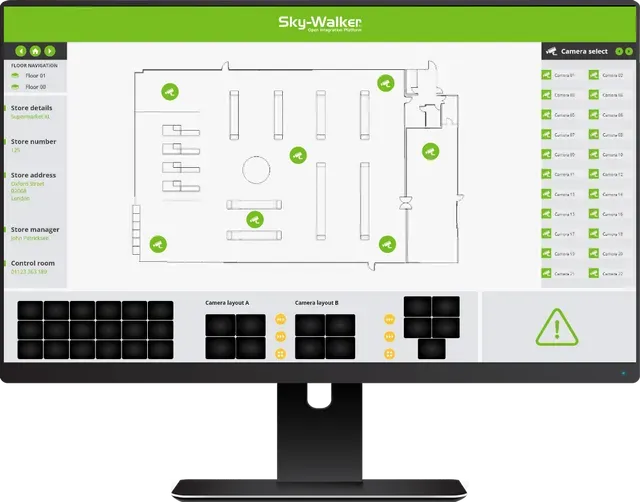
Sky-Walker fire management software
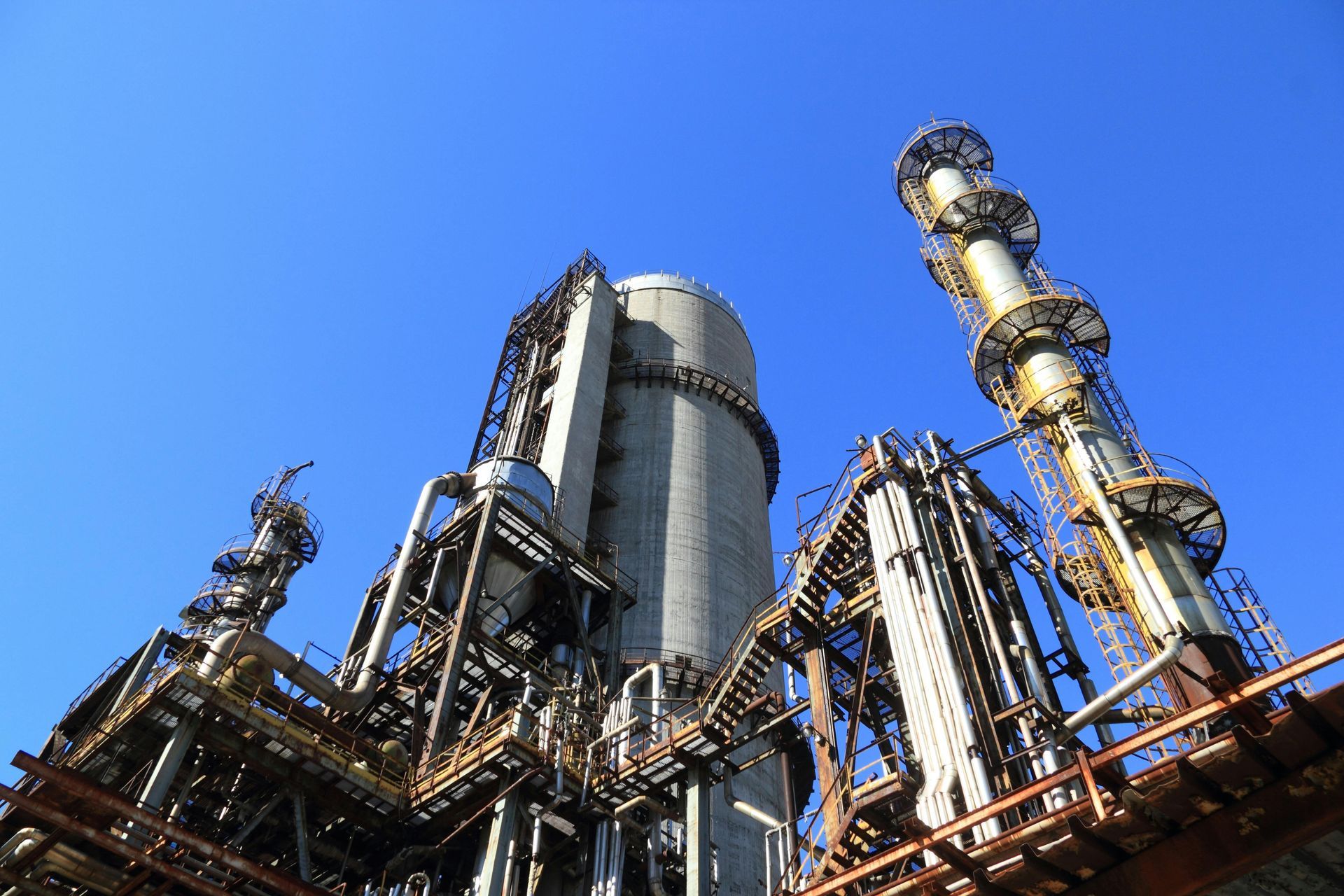
Fire Management Software in Critical Scenarios


Related Resources
- Explore Building Management Software for comprehensive facility control
- Learn about Video Management Software for incident scene monitoring
- Discover System Integration Software and safety system connectivity
- Review Professional Services for FMS implementation and training
- Study PSIM vs FMS comparison for unified emergency management
- Learn about Security System Integrations coordinating with fire response
Frequently Asked Questions
Is Fire Management Software required by law?
FMS is not always required by law, but it's strongly recommended best practice. Building codes increasingly require integrated fire management systems for large facilities, high-rise buildings, and facilities with high occupancy or hazardous materials.
How quickly does FMS respond to fire threats?
Automated response is virtually instantaneous—detection triggers suppression systems within 1-2 seconds of sensor activation. Manual operator actions can add 10-30 seconds depending on fire severity and facility size.
Can operators override automated suppression?
Yes. Operators can override automated responses for legitimate reasons (false alarms, manual system testing). However, override capabilities are restricted to authorized personnel to prevent accidental disablement.
How often must FMS be tested?
Fire systems require regular testing—typically quarterly for detection systems, annually for suppression systems. Sky-Walker FMS provides testing utilities and documentation for compliance.
What training is required for operators?
Entelec provides comprehensive training covering fire system operation, emergency procedures, interface navigation, and coordination with emergency services. Most operators are proficient within 1-2 days of training.
How is incident data used after a fire?
FMS records all fire events, detection times, suppression activation times, occupant alerts, and operator actions. This data supports incident investigation, procedure improvement, and compliance documentation.
Does FMS integrate with emergency services?
FMS can automatically notify emergency services via telephone, radio, or text. The system provides emergency services with facility information, fire location, occupancy status, and building access details.